
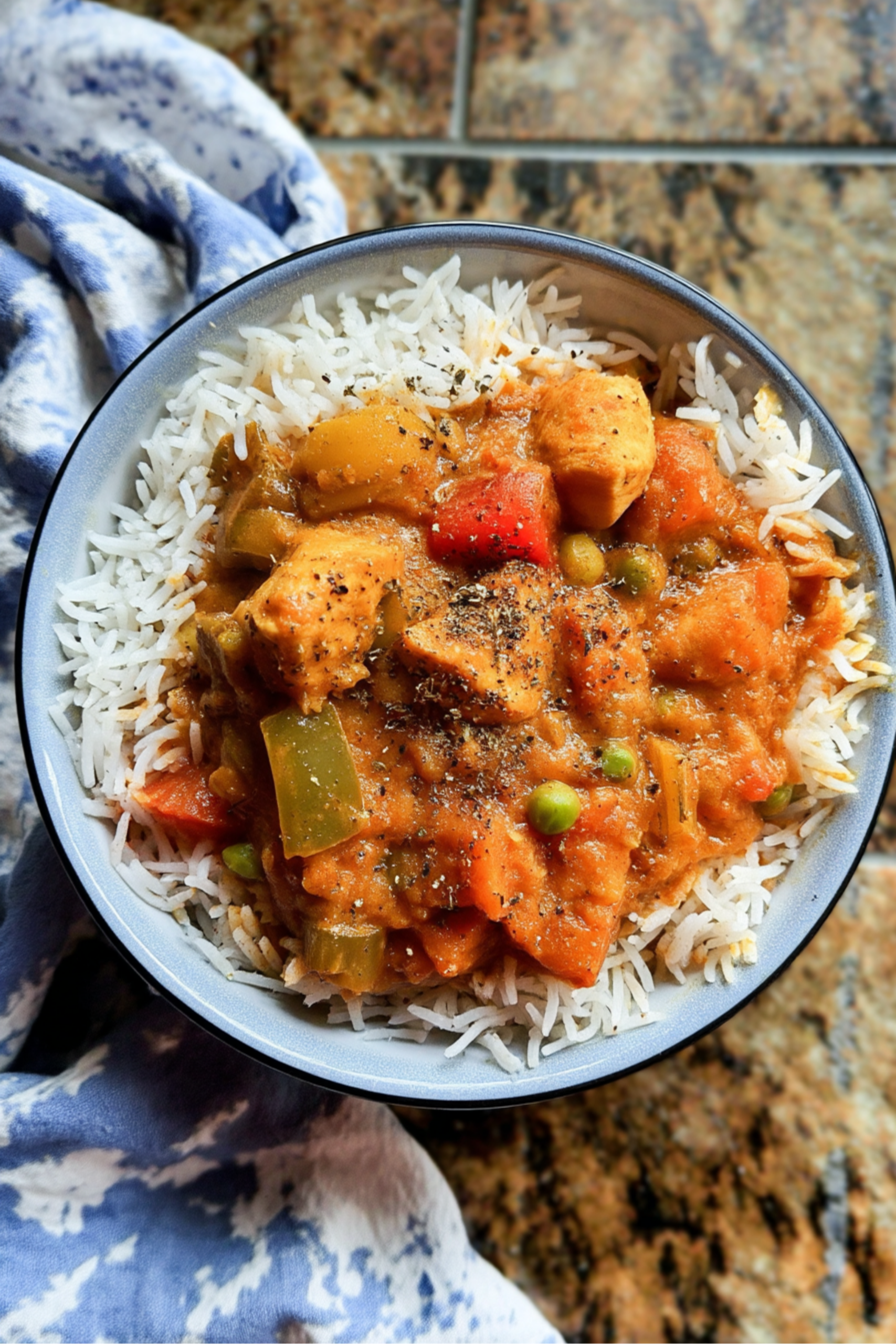
This Low Sodium Curry Chicken recipe is about to become your new favorite! I’ve perfected this recipe after years of experimenting with spices and techniques to create a dish that’s bursting with authentic Indian flavors without relying on salt.
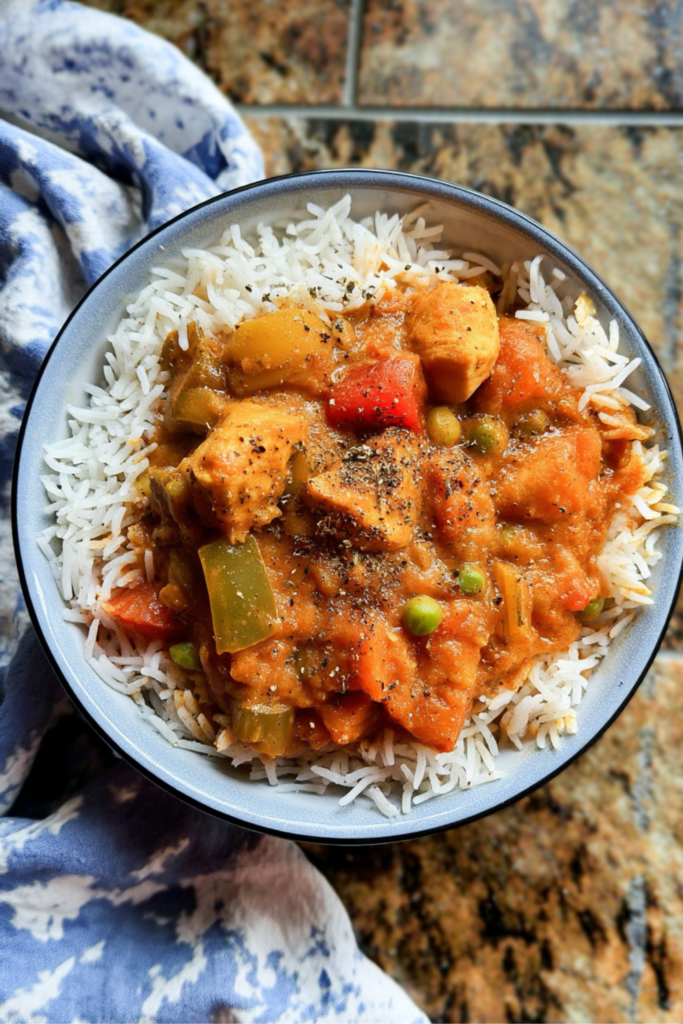
Traditional curry recipes often contain high amounts of sodium from store-bought pastes, broths, and added salt. My version uses fresh ingredients, aromatic spices, and clever cooking techniques to build incredible depth of flavor naturally. The result is a healthier curry that doesn’t compromise on taste!
This Low Sodium Curry Chicken is perfect for anyone following a heart-healthy diet, managing hypertension, or simply looking to reduce their sodium intake while still enjoying incredibly flavorful meals. Trust me, you won’t miss the salt one bit!
What You’ll Love About Curry Chicken
- Flavor explosion: The combination of aromatic spices, slow-cooked onions, and fresh lime juice creates incredible depth without added salt
- Versatility: Easily customizable with your favorite vegetables or protein substitutions
- Meal prep friendly: Tastes even better the next day as flavors continue to develop
Recipe Ingredients
Everything you need to create this flavorful Low Sodium Curry Chicken:
- Coconut oil for sautéing
- Sweet onions for natural sweetness and depth
- Fresh garlic for aromatic base
- Boneless chicken breast as the protein
- Spice blend: garam masala, turmeric, coriander, and cayenne
- No-salt-added tomatoes for acidity and body
- Unsalted chicken stock for cooking liquid
- Bell peppers and peas for color and nutrition
- Unsweetened coconut milk for creaminess
- Fresh lime juice for brightness
- Black pepper for seasoning
Ingredient Notes
- No-salt-added tomatoes: Regular canned tomatoes can contain up to 280mg of sodium per serving. The no-salt version lets you control sodium while still getting that rich tomato base.
- Sweet onions: Using plenty of sweet onions and cooking them slowly creates natural sweetness and umami that compensates for reduced salt.
- Fresh lime juice: Added at the end, this brightens the entire dish and provides a flavor boost that makes you forget all about salt!
How to Make Low Sodium Curry Chicken
For the complete printable recipe with exact measurements, scroll to the recipe card below. Here’s a quick overview of the process:
- Slowly sauté two-thirds of the onions with garlic in coconut oil until soft and caramelized (about 15 minutes).
- Add chicken pieces and dry spices, cooking until the chicken is coated and spices are fragrant.
- Pour in tomatoes, stock, remaining onions, and vegetables, then simmer covered for 30 minutes.
- Finish with coconut milk, black pepper, and fresh lime juice.
- Serve over steamed basmati rice with optional cilantro garnish.

Pro Tips
The secret to exceptional Low Sodium Curry Chicken is in the layering of flavors throughout the cooking process!
When reducing sodium, it’s crucial to build flavor in multiple stages. Start by properly caramelizing the onions—this develops natural sweetness and umami compounds. Next, toast your spices with the chicken to release their aromatic oils. Finally, the addition of acid (lime juice) at the end brightens all the flavors and creates balance without needing salt.
Another pro tip: reserve some of the raw onions to add later in the cooking process. This creates layers of onion flavor—some deeply caramelized and sweet, others more fresh and pungent.
Storage and Reheating
- Refrigeration: Store leftovers in an airtight container for up to 4 days. The flavors actually improve overnight as the spices continue to meld.
- Freezing: This curry freezes beautifully for up to 3 months. Portion into individual containers for quick meals. Thaw overnight in the refrigerator before reheating.
- Reheating: Warm gently on the stovetop over medium-low heat, adding a splash of water or unsalted stock if needed to maintain consistency. Microwave on 70% power, stirring occasionally.
Additions & Substitutions
Additions:
- Add 1 cup of cauliflower florets or diced sweet potatoes for extra vegetables and texture
- Include 1-2 tablespoons of freshly grated ginger for a warming, spicy note
- Stir in a handful of fresh spinach just before serving for added color and nutrition
- Sprinkle with toasted cashews or almonds for crunch and healthy fats
Substitutions:
- Replace chicken with firm tofu or chickpeas for a vegetarian version
- Swap coconut milk with unsweetened yogurt for a tangier finish with less fat
- Use ground cumin instead of coriander if you prefer a smokier flavor profile
- Substitute bell peppers with any seasonal vegetables like zucchini or eggplant
FAQs about this Low Sodium Curry Chicken
Fresh herbs like cilantro, mint, and curry leaves add tremendous flavor without sodium. Spices like turmeric, coriander, cumin, cardamom, and cinnamon create depth naturally.
Use skinless chicken thighs for more iron, add extra vegetables like spinach and cauliflower, and serve over brown rice or quinoa instead of white rice for added fiber.
Yes, but thaw completely before cooking and pat dry to ensure proper browning. Alternatively, cook from frozen by adding 10-15 minutes to the simmering time and checking for doneness.
What Can I Serve with Curry Chicken?
This Low Sodium Curry Chicken pairs beautifully with plain steamed basmati rice, which allows the complex curry flavors to shine. For a complete meal, I also recommend serving with a simple cucumber yogurt salad, steamed vegetables, or a side of no-salt naan bread.
This recipe is my go-to for a quick dinner fix when I want something deeply satisfying yet healthy. The leftovers make an incredible lunch the next day too!
If you try this Low Sodium Curry Chicken, I’d love to hear how it turned out! Did you make any adjustments to suit your taste? Leave a comment below and let me know your experience.
You May Also Like
- Low Sodium Chicken Spaghetti Recipe
- Low Sodium Chicken Noodle Soup Recipe
- Frozen Chicken Crock Pot Recipe
- High Protein Chicken Recipe for Weight Loss

Low Sodium Indian Chicken Curry
Equipment
- Dutch Oven
Ingredients
Main Ingredients
- 2 tbsp coconut oil
- 3 sweet onions sliced
- 6 cloves garlic minced
- 2 lbs chicken breast cut into 1-inch cubes
- 1 tbsp garam masala
- 1 tsp turmeric
- 1 tsp ground coriander
- 0.25 tsp cayenne pepper or red chili flakes
- 28 oz no-salt-added diced tomatoes
- 2 cups no-salt-added chicken stock
- 2 bell peppers chopped
- 0.5 cup frozen peas
- 1 cup unsweetened coconut milk
- 0.25 tsp black pepper
- 2 fresh limes juiced
Instructions
- In a large Dutch oven, heat coconut oil over low-medium heat. Add garlic and 2/3 of the onions. Cover and sauté on low for about 15 minutes until onions are soft.
- Add chicken, garam masala, turmeric, and coriander. Stir to coat chicken in spices and sauté for about 10 minutes.
- Add no-salt-added diced tomatoes, unsalted chicken stock, bell peppers, peas, and remaining onions. Bring to a boil, then reduce heat to low, cover, and simmer for 30 minutes.
- Remove from heat and stir in coconut milk. Add black pepper and fresh lime juice. Garnish with cilantro if desired. Serve over plain steamed basmati rice.